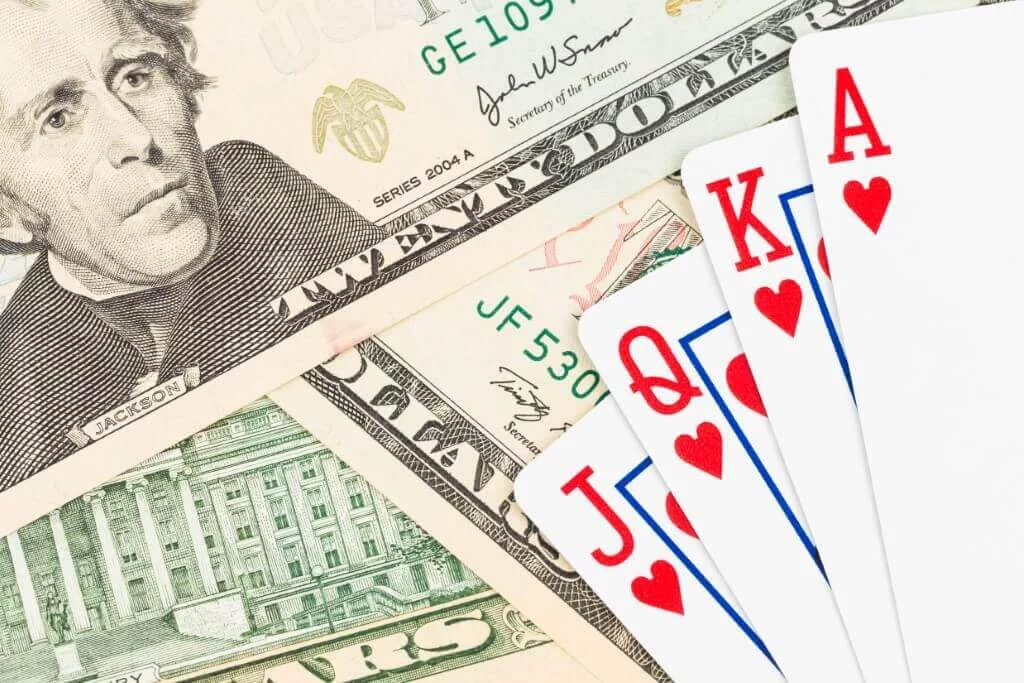

A foreign high roller with a verified passport, clean bank statements, and a willingness to drop serious dollars still cannot open an account at a licensed South African bookmaker. The door is locked, and the problem is not technology. Regulators have looked at the economics and decided that even perfectly clean foreign money is more trouble than it is worth.
Why Exchange Controls Make Foreign Players Impossible
The South African Reserve Bank runs some of the tighter capital controls still operating in a major emerging market. Its job is to keep the Rand from bleeding out through unmonitored channels, and it does not delegate that job to gambling operators.
When a foreign player deposits dollars, bets in Rand, and cashes out to an offshore account, the platform becomes an unofficial currency exchange. The SARB would need to track every micro-transaction to distinguish a legitimate payout from disguised capital flight. This is not a compliance upgrade; it is a new mandate for the central bank, and the SARB has made clear it will not take it on.
The Controlled Foreign Currency rules add another layer. Operators holding foreign currency must park it in designated accounts and report every cross-border movement. For a domestic bookmaker processing local sports bets, this is manageable. For one handling thousands of foreign accounts, it becomes an administrative burden the SARB views as an unacceptable systemic risk.
FICA and the Grey List Reality
South Africa landed on the FATF grey list in February 2023. This status means global regulators have already found holes in how the country tracks dirty money, and the penalty for failing to fix those holes is severe.
The Financial Intelligence Centre Act requires operators to verify identity, physical address, and source of funds. For a local player, this means a green ID book, a recent utility bill, and a payslip. For a foreign player, it means navigating document standards from dozens of countries, translation requirements, and the elevated risk that a clean-looking file is a manufactured front. One slip, and the operator becomes a laundering channel.
The National Gambling Board’s mandate is to protect domestic consumers and generate provincial economic benefit. It has no apparatus for resolving disputes with a player in Frankfurt or Dubai, and no interest in building one. Local ombudsmen and courts handle complaints. Extending that net internationally would require legal infrastructure that does not exist and is not budgeted.
The Tax Problem Nobody Talks About
The economics turn actively hostile to foreign players here. Most developed gambling markets, including the UK and EU member states, run on Point of Consumption taxation. The tax is owed where the player sits, not where the server runs.
A verified British player betting through a Cape Town-licensed platform would generate revenue that His Majesty’s Revenue and Customs expects to tax. The South African Revenue Service would see the same money leave its jurisdiction. The National Gambling Board, whose entire purpose is to stimulate local economic benefit, would be licensing operators to fill foreign treasuries.
International players also tend to demand payouts in foreign currency or cryptocurrency. SARS already struggles to track crypto-linked outflows in domestic cases. Scaling that problem to a global player base would make auditability impossible. Regulators have chosen the stable, taxable, Rand-denominated domestic base instead.
Hot Money Versus Real Investment
Economists draw a sharp line between foreign direct investment and what they call hot money. A factory builds local jobs, trains workers, and stays put. Gambling capital does none of that.
A foreign player deposits $10,000, runs it up to $50,000, and withdraws. The inflow was brief. The outflow is sudden, large, and depletes foreign exchange reserves. The Reserve Bank cannot plan around it. The tax take is minimal compared to the volatility introduced.
South Africa’s banks compound the risk. They operate under scrutiny from the US Federal Reserve and European Central Bank. If local gambling licenses become conduits for unregulated international flows, those clearing relationships, the backbone of the country’s financial system, come under threat. Losing them would dwarf any revenue from foreign gamblers.
Why Perfect KYC Changes Nothing
Some operators assume the barrier is verification quality. It is not.
Even bulletproof KYC, run by the most sophisticated compliance team on earth, would not unlock foreign access. The SARB’s objection is structural, not procedural. It does not want commercial gambling platforms functioning as international clearing houses. Verification quality does not reduce the transaction volume or the currency risk.
Legal barriers operate independently. A player verified in South Africa may still reside in a jurisdiction where online gambling is a state monopoly or outright restricted. Accepting that player makes the South African operator complicit in violating foreign federal law. Global financial bodies and local banks will block transactions to avoid liability, regardless of how clean the KYC file looks.
The National Gambling Act of 2004 offers no escape hatch. Its language is strictly provincial and national, framed around domestic economic stimulus and consumer protection. Opening to foreign players would require parliamentary amendment, a multi-year process with no political constituency pushing for it.
The Currency Risk Nobody Wants to Price
The Rand’s volatility adds a final killer. An operator accepting dollars, running a Rand-denominated backend, and paying out in euros is running a shadow hedge fund. A sudden Rand crash between a deposit and a pending payout can wipe out the margin on a bet or bankrupt the operator outright. Regulators have looked at that risk and concluded the domestic market is large enough without it.
For South African players, this has a practical implication. The licensed operators you can access, the ones with local recourse and SARS-visible transactions, are built for you specifically. The restrictions that keep foreign money out also keep the regulatory framework focused on domestic protection. The trade-off is real, and for now, regulators are treating it as non-negotiable.